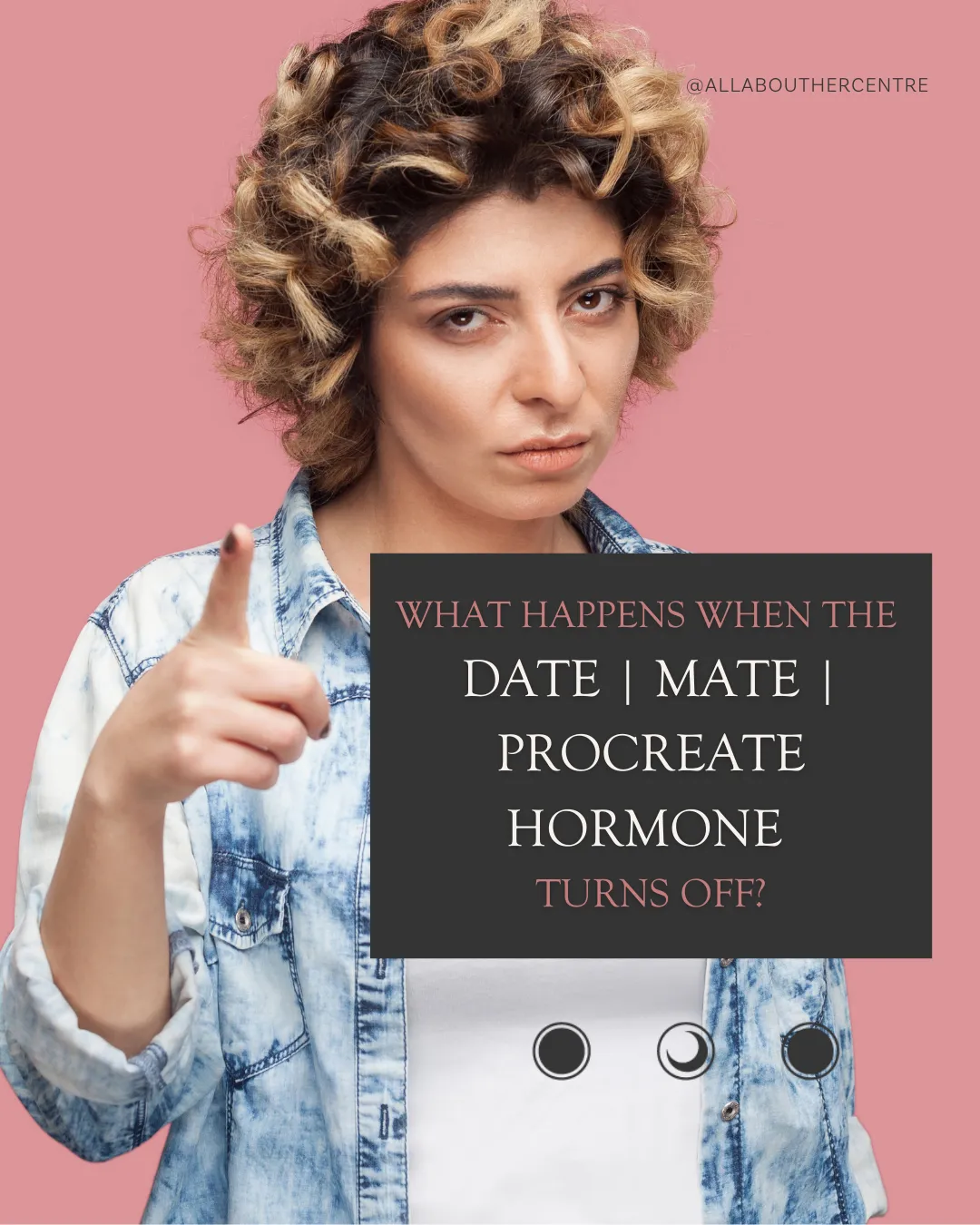
What happens when MATE PROCREATE turns off?
Oestrogen = Accommodation + Servitude: Understanding the Hormonal Influence on Women's Lives
Oestrogen plays a pivotal role in the intricate dance of hormones that govern our bodies. Often associated with femininity and reproductive health, this powerful hormone profoundly influences behaviours, particularly in the context of accommodation and servitude, extending its impact far beyond the biological realm.
What is Oestrogen and What is Its Biological Role?
Oestrogen is a primary female sex hormone vital for developing and regulating the female reproductive system and secondary sexual characteristics. It controls the menstrual cycle, maintains bone density, supports heart health, and helps keep skin and hair healthy. Beyond these biological functions, oestrogen is known as the hormone of "mate, date, and procreate," encapsulating its evolutionary role in fostering behaviours that prioritise the needs of others through its influence on mood, cognitive function, and emotional resilience.
The Influence of Oestrogen During Earlier Years
During our younger decades, and especially if motherhood is part of our life journey, many women, driven by oestrogen, find themselves subconsciously prioritising others. With oestrogen driving the hormonal show, we are more inclined to take care of others first, including our children, which may lead to sacrificing personal time and interests.
In its neuroprotective role, oestrogen helps mothers cope with sleep deprivation and stress, and juggling the multiple balls required of caregiving. However, as oestrogen levels decline, the drive to continuously serve and accommodate others diminishes. This shift can lead to a profound reevaluation of personal desires and roles.
Navigating the Discombobulation: Understanding the Parallel with Adolescence
As oestrogen levels decrease, women often experience a discombobulation similar to adolescence. This transition can be unsettling as the desire to accommodate and serve, deeply ingrained by oestrogen, fades away.
Women may find themselves questioning long-held roles and expectations, leading to a significant psychological and emotional shift. This phase mirrors the adolescent quest for identity and independence, as women reassess their priorities and seek to redefine their roles and relationships.
Embracing New Desires
With the drop in oestrogen, women may discover that the life they once meticulously curated no longer satisfies them. This isn’t a reflection of a life wrongly lived but an indication that their needs and desires have evolved.
Realising that they no longer find joy in the same things can be unsettling, but it also offers an opportunity to embrace change. During this phase we might struggle to give ourselves permission to seek new experiences, but it is crucial to acknowledge that "I have changed, I am very different now."
Redefining Autonomy and Generosity
This pivotal moment allows women to redefine what generosity means, moving from a life of servitude through obligation and conditioning, to one of authentic generosity (if the desire to be ‘of service’ exists at all!).
As the societal expectations of "just being daycare for my grandkids" or preserving the entirety of children's inheritance become less compelling or appealing, women can choose to contribute on their terms, whilst they head off on new experiences or adventures, engaging in activities that genuinely fulfil them.
The decline of oestrogen offers an opportunity to liberate oneself from previously imposed roles, fostering self-discovery and personal growth. Understanding the role of oestrogen in shaping earlier behaviours and acknowledging the freedom its decline offers empowers women to live fuller, more balanced lives.
At All About Her Centre, we support women through every stage of their hormonal journey, providing guidance and resources to help navigate these transitions with confidence and grace. By embracing the changes in our desires and the realities of our hormonal shifts, we can redefine what it means to give and live generously, on our own terms.
.png)
Want to know more about joining us, so you are better equipped to help your midlife clients through this sometimes tricky transition?
Learn more Book a chat with Kirstin Bouse